





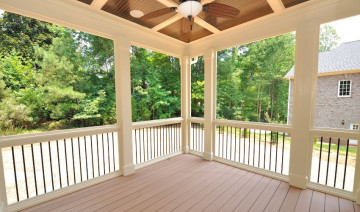
Building a deck is one of the most rewarding outdoor projects you can take on — it adds functional space, boosts property value, and sets the stage for summer entertaining. But even experienced builders can run into issues if the prep work or materials aren’t right from the start.
Whether you’re a contractor managing multiple builds or a DIYer planning your first backyard project, here are the top mistakes to avoid — and the pro tips that will help you do it right the first time.
Why it matters: Permits ensure your build meets local codes for safety, setbacks, and structure. Skipping this step can lead to fines or even having to tear it down.
Pro Tip: Always check with your town or county building department before you buy a single board. We can even help you estimate materials based on approved plans.
Why it matters: Using untreated or improperly rated lumber can lead to premature rot, warping, or even structural failure — especially in wet or humid climates.
Pro Tip: Use pressure-treated lumber rated for ground contact for framing, and consider composite or weather-resistant boards for the surface if you want a low-maintenance finish.
Why it matters: A deck is only as solid as its foundation. Shifting soil, shallow footings, or misaligned posts can compromise the entire structure.
Pro Tip: Dig footings below the frost line, use concrete for stability, and double-check spacing before setting any posts. A laser level or string line is your best friend here.
Why it matters: Using the wrong screws or skipping structural connectors can lead to loose boards, wobbly rails, and long-term safety hazards.
Pro Tip: Use exterior-rated screws, galvanized joist hangers, and proper post anchors. Stainless steel or coated fasteners will prevent corrosion and increase deck longevity.
Why it matters: Standing water is a deck’s worst enemy. It leads to faster rot, mold, and a slippery, unsafe surface.
Pro Tip: Space boards evenly (typically 1/8–1/4”) to allow for drainage, and pitch the deck slightly away from the house to help water flow off naturally.
Avoiding these common pitfalls can save you time, money, and frustration. If you're planning a deck build this season, stop by for the tools, materials, and expert advice to get it right. From fasteners and flashing to pressure-treated lumber and railing systems, we’ve got what you need to build a deck that lasts.
Let’s make this summer’s project your best one yet.
